Do Steers Need to Be Vaccinated Again
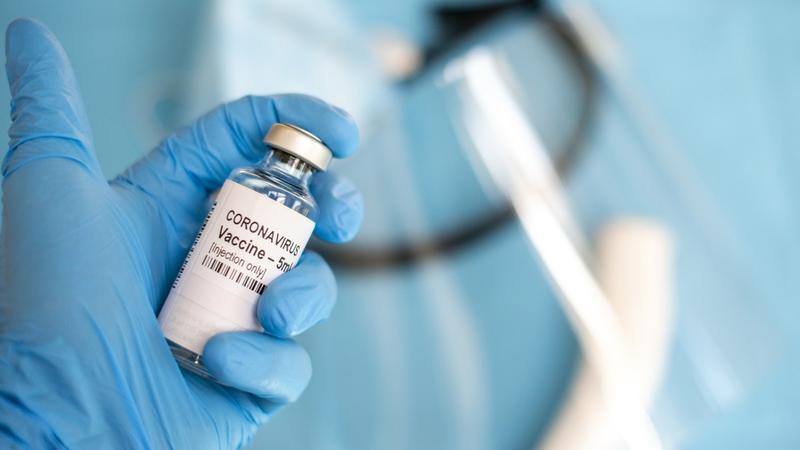
Despite the coronavirus pandemic affecting billions of people around the globe, various vaccines have started making their way to the market — and hope for a slowdown in the spread of the virus is on the horizon. It'southward a neat reminder that modern science accomplishes amazing feats on an ongoing basis. But it'south also understandable to wonder why the process of creating a vaccine, from early development to total rollout, takes equally much fourth dimension equally it does — especially considering the urgency that the COVID-19 pandemic has fabricated us all feel. The reality is that the respond is complicated.
Biotech and pharmaceutical companies like Moderna, Pfizer and Merck as well as inquiry universities similar Oxford have all launched emergency fast-track development approaches and clinical trials to create successful coronavirus vaccine candidates, but certain safeguards merely tin can't be skipped throughout the development process — and that's all in the interest of public safety. Although COVID-19 continues to have lives on a daily basis, a rushed vaccine that isn't properly tested could ultimately prove to be but as unsafe as the virus.
Now that vaccine rollouts accept started and the first recipients are getting doses of COVID-19 vaccines, information technology's natural to wonder about vaccine prophylactic and long-term wellness. To better sympathize the challenges scientists have surmounted in creating a fast, safety and effective coronavirus vaccine, let's take a wait at how long the normal development procedure takes and how the accelerated approval procedure compares.
Stages of Vaccine Development
Co-ordinate to guidelines established by the CDC, vaccines pass through half-dozen general stages of development: exploratory, pre-clinical, clinical, regulatory review and approval, manufacturing, and quality control. The total procedure is substantially the same as the process for whatsoever drug approved for utilise in the U.s.. These stages are mandated by the Nutrient and Drug Administration (FDA), with its Center for Biologics Evaluation and Enquiry (CBER) partition officially in accuse of regulating vaccines. It's not unusual for a vaccine to have ten to 15 years to complete all the phases nether normal circumstances.
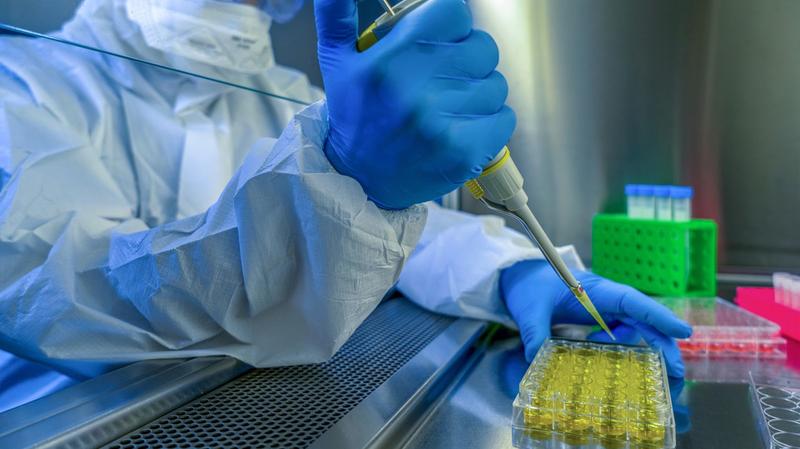
During a public health crunch, such equally the one acquired by the 2020 novel coronavirus pandemic, the FDA may allow emergency adjustments to the timeframes unremarkably associated with these stages. However, all the stages must withal be completed to varying degrees, depending on the phase. In particular, the regulatory review and approval stage takes place much more than quickly.
Exploratory Phase
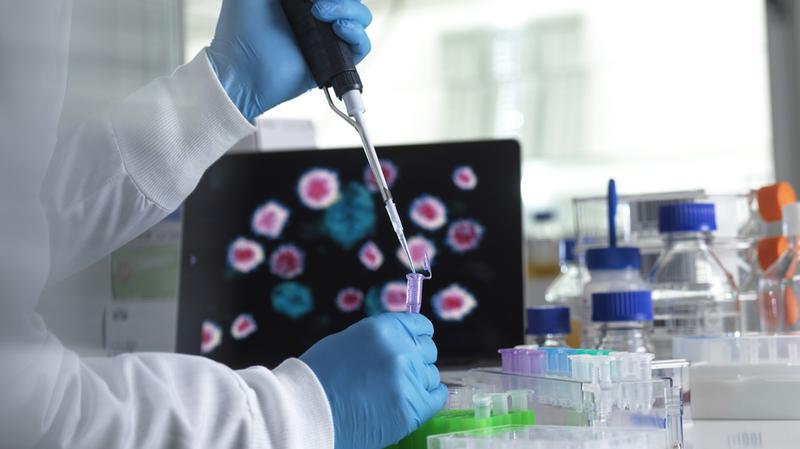
Laboratory inquiry and testing makes up the get-go phase of vaccine development. In this phase, scientists from the academic sector, government sector or private sector try to identify natural or synthetic antigens that could either protect the homo body from the target disease or at least assist the torso fight the disease. Different vaccine approaches can be used to establish immunity, and it takes fourth dimension in this phase to determine which type will work best. For example, some vaccines contain mild strains of live virus, while others use inactive viruses to trigger immunity. The exploratory stage oft takes two to iv years to complete, with many vaccine ideas abandoned along the way.
Pre-Clinical Phase
Once a potential vaccine has been adult, researchers outset pre-clinical studies using animal testing to evaluate the immune response created by the vaccine. Animate being studies usually involve monkeys due to their biological similarities to humans merely oft first begin with mice or rats. As the inquiry progresses, researchers may inject animals with the vaccine and then attempt to infect them with the target virus. The goal of the studies is to make up one's mind the potential cellular reaction humans could take to the vaccine.
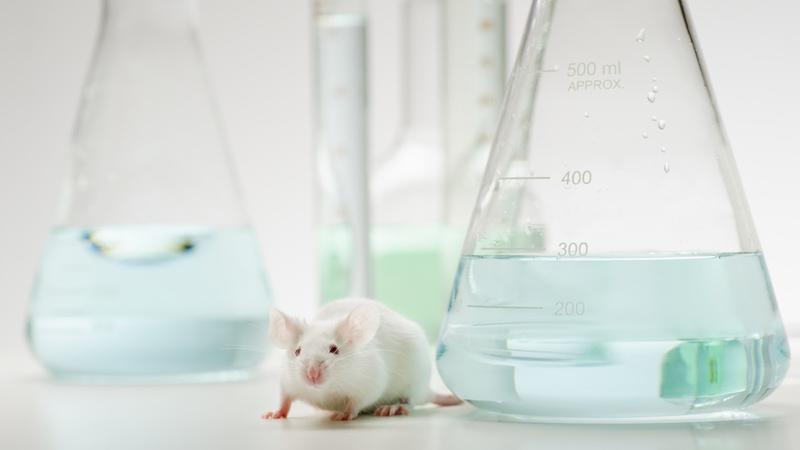
Researchers likewise use the results in this phase to make adjustments to dosing and determine the safest delivery organization — usually subcutaneous injection or intramuscular injection — for the vaccine. The pre-clinical phase is the time when researchers try to make up one's mind the effectiveness of the vaccine and adapt the dissimilar components to achieve the best results with the least amount of side effects. It'southward common for potential vaccines to neglect during this phase by not triggering immunity or causing dangerous complications. The pre-clinical stage typically lasts one to two years.
At the cease of the pre-clinical stage, a sponsor — peradventure a private company, government agency or research found — submits an application to the FDA for approval of an Investigational New Drug (IND). The bidder must provide all the details and results of the laboratory testing and animal testing equally well every bit depict future protocols for homo testing, manufacturing processes and distribution. Human clinical trials cannot proceed until the FDA approves the application and an institutional review board approves the clinical protocol.
Clinical Stage: Phase 1
As with any drug, clinical development of a vaccine takes place in three phases. The first phase involves a relatively small-scale group of good for you test subjects, usually between 20 and 100 people. Although children are often the intended recipients of vaccines, only adults participate in the earliest phase of testing. The trials are sometimes blind — recipients don't know if their doses are existent — and they sometimes involve challenge studies, which require researchers to deliberately try to infect subjects with the virus after giving them the vaccine. Researchers carefully command the "infection" process and closely monitor participants' reactions. The total potency of a virus may not exist used, for example.
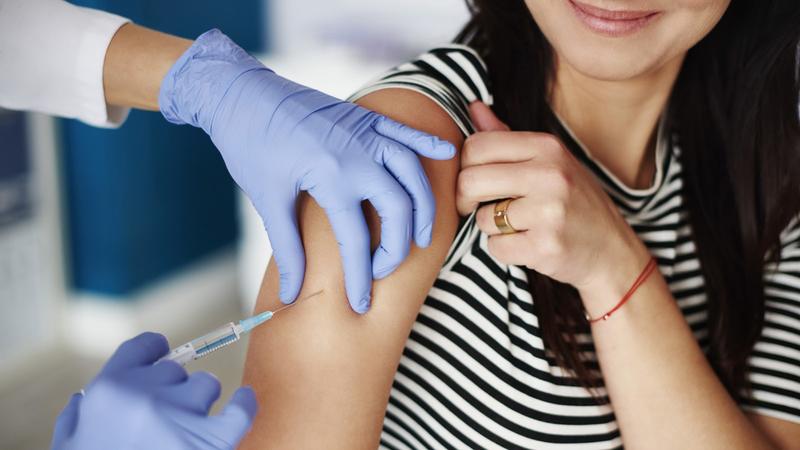
The purpose of testing at this phase is to evaluate the immune response in humans and look for potentially dangerous side effects. If the results are positive, testing advances to the side by side clinical trial phase. If serious issues and risk factors are identified, researchers may attempt to adjust dosing to eliminate the problem or endeavour to adapt the existing vaccine. In some cases, they may make up one's mind to abandon a vaccine and create an entirely new version.
Clinical Phase: Phase 2
During Phase 2 man clinical trials, researchers focus on a larger grouping of test subjects — usually numbering in the hundreds — that fit the criteria of the boilerplate vaccine recipient. That includes using younger test subjects for vaccines intended for children and older exam subjects for those intended for the elderly. The trials are controlled, random and utilise a placebo vaccine for some participants.
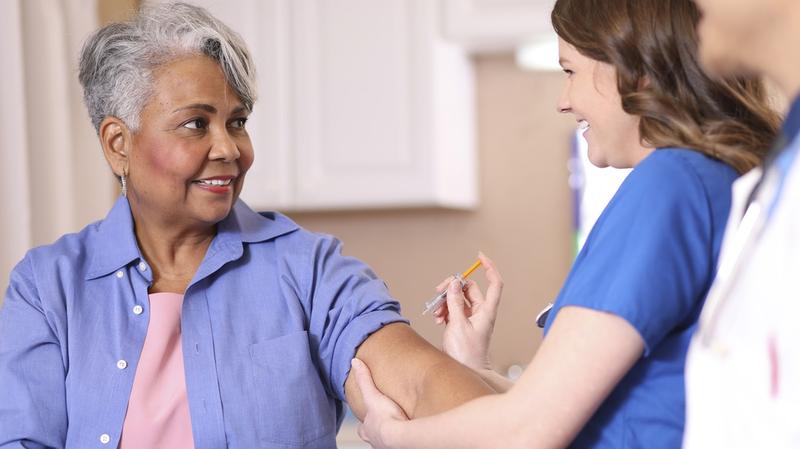
Phase ii continues to focus on the overall immune response of examination subjects as well as the severity and prevalence of side effects. It likewise attempts to pinpoint the well-nigh common side effects across the larger grouping of people. More attending is also paid to the vaccine's commitment method at this phase to make up one's mind if effectiveness could exist improved by altering how the vaccine is administered.
Clinical Stage: Phase 3
Past the time it reaches a Phase iii clinical trial, a vaccine has already proven its effectiveness — and its potential side furnishings — amid a few hundred people, but it'southward however important to larn whether those results can exist considered reliable amongst the larger population. Phase 3 trials normally involve thousands of people. Testing protocols are random and double blind — neither researchers nor participants know if doses are placebo — at this phase. Placebos could be anything from saline solutions to other helpful vaccines.
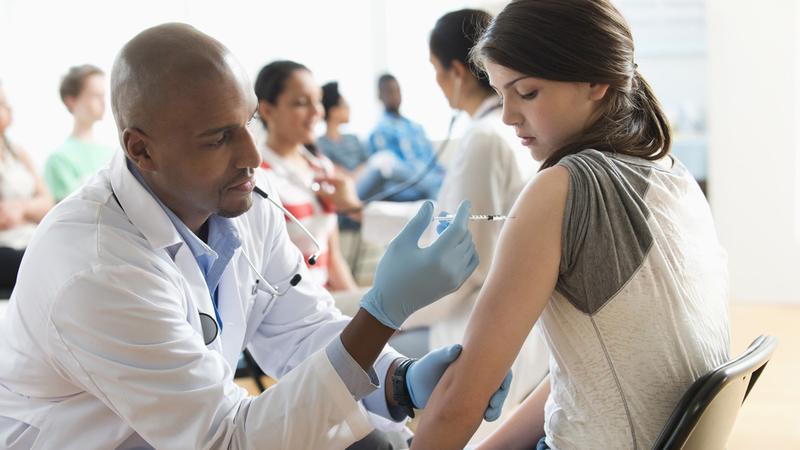
Phase 3 offers many benefits in the final stages of the vaccine's evolution, including allowing researchers to discover rare side effects that might only occur once in a grouping of 10,000 people, for example. This allows wellness officials to better prepare for every potential issue of receiving the vaccine. At this phase, researchers promise the end result is a vaccine that finer prevents the affliction by producing protective antibodies while merely causing minimal, balmy side furnishings.
Regulatory Review and Approving
After completing the last stage of human clinical trials, researchers can submit a Biologics License Application (BLA) to the FDA to request approval to produce the vaccine and distribute information technology. A special team of scientists and medical professionals at the FDA will evaluate the results of all the clinical findings in all the previous trials and make an approving determination based on the risks versus the benefits of the vaccine. Before making a final decision, they also society an inspection of the factories that will produce the vaccine. Labeling for the vaccine likewise follows strict guidelines and requires approval.
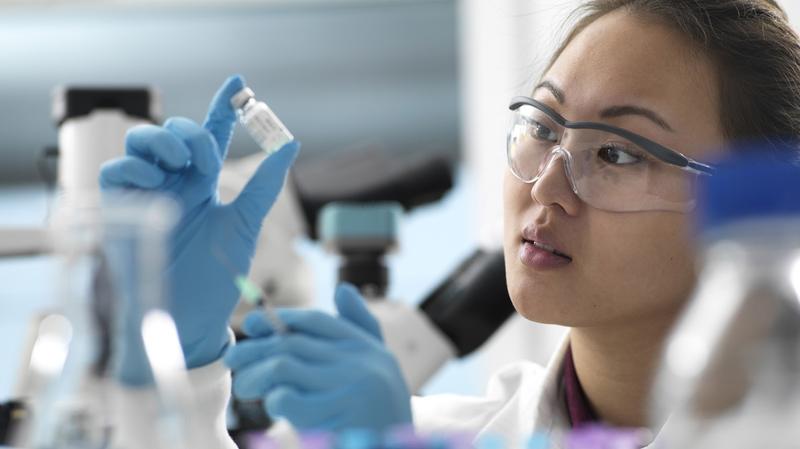
Upon FDA approval, the sponsor submits the approval to the Vaccines and Related Biological Products Advisory Committee (VRBPAC) for review. This committee consists of scientists and medical professionals who don't work for the FDA that offer an contained review of the condom and effectiveness of the vaccine.
Vaccine Manufacturing
FDA monitoring of the vaccine doesn't cease when a license is issued for a vaccine. The bureau monitors the manufacturing process and the manufacturer's testing protocols to ensure safety by making sure vaccines aren't contaminated and evangelize consistent potency. Manufacturers are e'er bailiwick to facility inspections, and the FDA tin can as well bear its own testing on vaccine samples at any point.
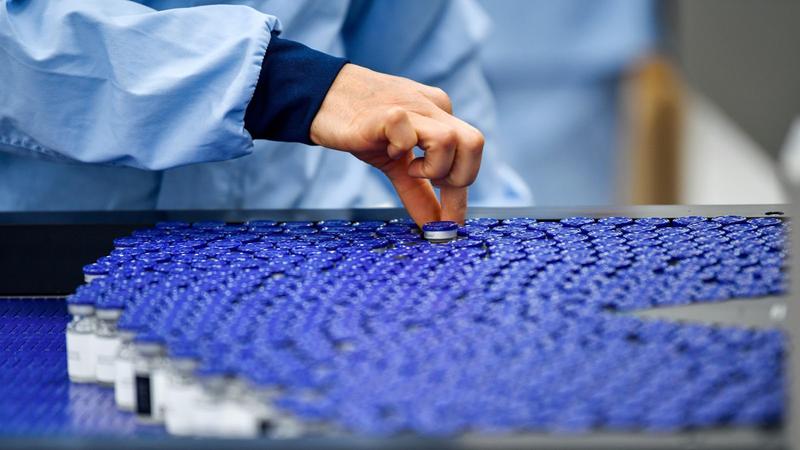
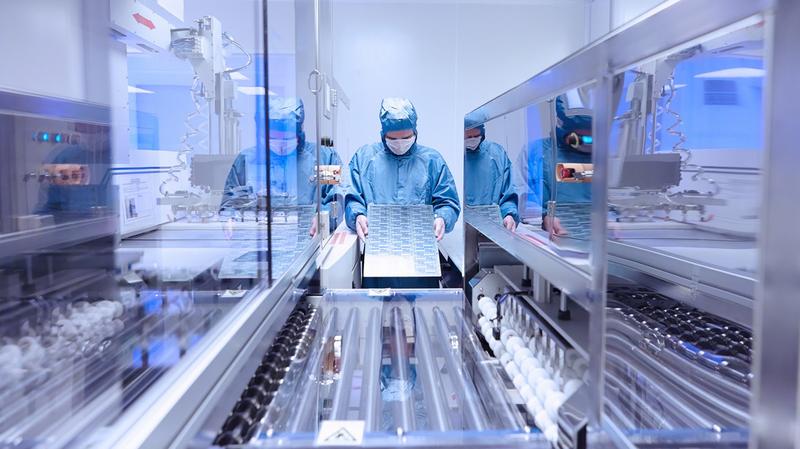
Manufacturers start developing their factory designs and manufacturing protocols for big-scale product after vaccines brand it by Phase 1 clinical trials and a portion of Phase ii clinical trials. One time company leaders have sufficient show to conclude the vaccine could be successful, manufacturing planning begins to ensure factories are ready to exist inspected and move into production when the fourth dimension comes.
Quality Control
In addition to ongoing facility inspections and vaccine testing, diverse protocols are put in place to ensure the ongoing quality and prophylactic of vaccines after their approving. In some cases, researchers may cull to go along with Stage 4 clinical trials, commonly for the purpose of determining other potential uses for the vaccine or to pinpoint ways to further enhance its effectiveness or eliminate side effects.
The Vaccine Adverse Event Reporting System (VAERS) tracks and monitors side effects of all the dissimilar vaccines and provides all that information on an easy-to-use website established past the CDC and FDA in 1990. According to the CDC, the goal of the site is to rail adverse events associated with different vaccines to naught in on potentially serious problems. VAERS receives about xxx,000 adverse event reports each year, with 10% to 15% of the events serious enough to require hospitalization for life-threatening illnesses or even disability or death.
When events are reported, the CDC investigates to determine if a vaccine could accept caused the event. In many cases, other mitigating factors are to arraign. They besides routinely evaluate VAERS information to uncover rare agin reactions too equally track the frequency and severity of known side furnishings. This data too allows scientists to observe unusually problematic vaccine batches and make connections to potential risk factors for certain side effects. Of form, most people don't report minor agin events like swelling at the injection site, which makes fully accurate tracking incommunicable. Serious adverse events are more likely to exist reported, particularly right after a vaccination when the connection seems obvious.
Also established in 1990, Vaccine Safety Datalink (VSD) consists of a series of linked databases containing medical records and vaccine information, including details related to adverse reactions to vaccines. The information comes from medical practices and not from randomized, controlled, bullheaded trials, which makes it a little harder to evaluate the data, only information technology's still a useful tool in monitoring existent-time data to compare agin event rates in recently vaccinated people to rates in unvaccinated people.
Emergency Protocols and Approvals
As shortly as the globe really understood the reality of the novel coronavirus pandemic and the threat information technology posed, the CDC, the World Wellness System (WHO) and other wellness institutions around the globe were bombarded with questions — and demands — about how long information technology would take to develop a vaccine for the virus. Hearing that a vaccine following a normal rail could take more than than a decade to achieve the market place felt alarming in the midst of the pandemic's urgency after example numbers and death tolls had been climbing rapidly.
In the United States, when faced with an urgent public health crisis, the FDA recognizes the need to loosen some of the normal restrictions to speed up the typical timeline for vaccine development. But, in the case of COVID-xix vaccines, that hasn't meant companies and inquiry institutions could completely condone the rules or the typical evaluation timeline. When the globe needs a vaccine quickly, one that causes unsafe health risks of its ain won't help the state of affairs, which is why a modified testing process comes into play.
To carefully balance the urgent need for an effective vaccine and the need for that vaccine to be safe, pharmaceutical companies engaged in carefully designed — merely accelerated — development, testing and clinical trials. The FDA has facilitated this procedure by processing Emergency Use Authorizations (EUAs), which are provisions that allow the agency to make products available that haven't gone through their typical total testing and approval processes. EUAs are granted during public wellness emergencies for unapproved treatments when approved treatments don't nevertheless be. In the case of the COVID-19 pandemic, pharmaceutical companies like Pfizer and Moderna that have developed vaccines have been applying for EUAs to allow those treatments to be utilized on an emergency basis.
Although EUAs grant authorization to previously unapproved vaccines, those treatments still have to undergo rigorous testing and clinical trials — they're but non as long as they'd typically exist during a normal approval process considering some of the review process is shortened. And they still need to meet certain benchmarks that help decide their safety before they can make their manner to the public. The vaccine must nevertheless go through the progressively detailed and extensive phases of testing that ultimately encounter tens of thousands of people participating in the clinical trials. This is to effectively determine how the vaccine candidates affect people'south immune systems and to gather enough information well-nigh a sample of people who represent the U.S. population. Study participants as well come up from a broad range of demographic and age groups and have varying health statuses — factors that help researchers make up one's mind how the vaccine might affect unlike people in different ways, along with the early side furnishings that may arise in some populations.
Considering of the faster-than-normal process that today'southward COVID-19 vaccines take gone through to obtain EUAs, additional studies volition be conducted to detect more near the long-term effects of the vaccines, the full elapsing of immunity they provide and the potential long-term side effects they might cause. Due to the accelerated process many of the vaccine candidates are cycling through before emergency approval, developments are irresolute apace. But with the progress pharmaceutical companies have made, including Pfizer and Moderna's applications for EUAs, the future of American public health in relation to the COVID-xix crisis is finally starting to look brighter.
pritchardsibacted.blogspot.com
Source: https://www.reference.com/science/how-long-to-develop-vaccine?utm_content=params%3Ao%3D740005%26ad%3DdirN%26qo%3DserpIndex
0 Response to "Do Steers Need to Be Vaccinated Again"
Post a Comment